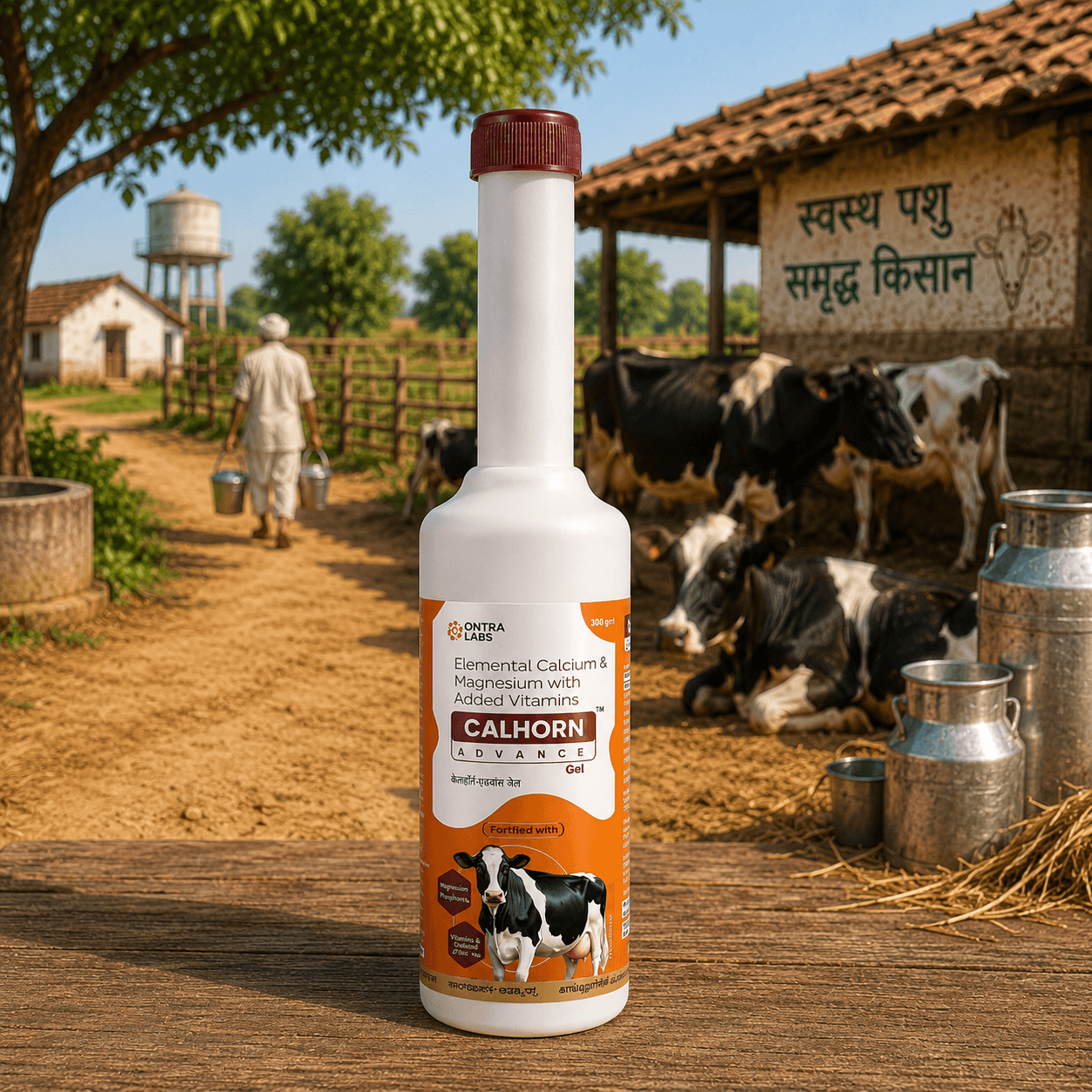
Ask any experienced dairy veterinarian where the next lactation is really decided, and many will point to a narrow window: the three weeks before and after calving. This 'transition period' is when the cow's body shifts from pregnancy to heavy milk production, and small problems here cascade into bigger ones later.
Why Transition Cows Are Under Pressure
At calving, demand for calcium and energy rises sharply while appetite often dips. If calcium falls too fast, milk fever can follow; if energy intake lags, the cow mobilises body fat, raising the risk of fatty liver and ketosis. These conditions rarely travel alone, one frequently sets up the next.
- Low blood calcium around calving (milk fever and 'downer' risk)
- Negative energy balance, fatty liver and ketosis
- Reduced feed intake and slower recovery
- Knock-on effects on fertility and milk yield
A Prevention-First Mindset
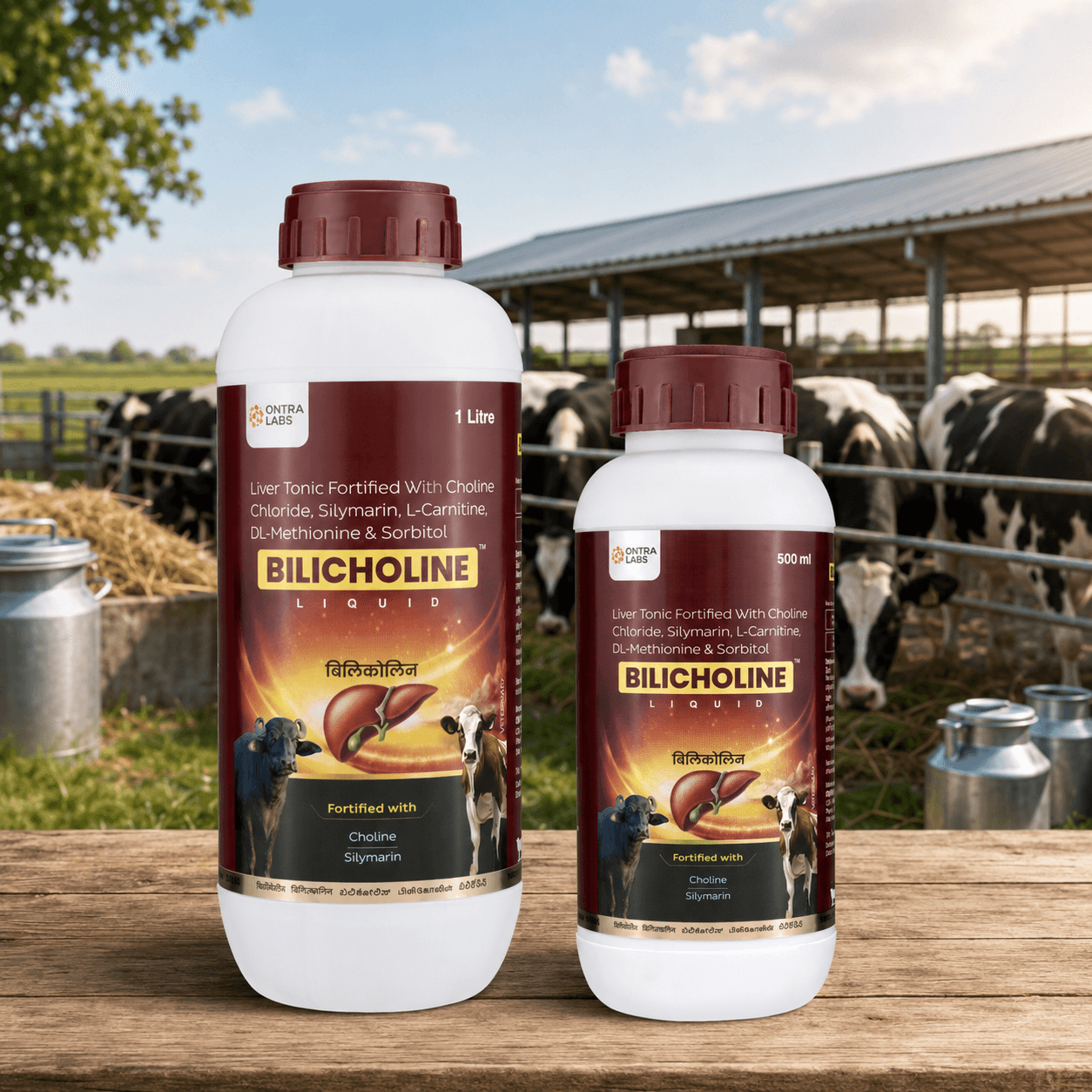
Because these conditions are interlinked, the most effective approach is preventive: manage minerals and energy through the transition window rather than reacting once a cow is down or off feed. A herd-specific protocol, designed with your veterinarian, typically combines nutrition, monitoring and targeted support around calving.
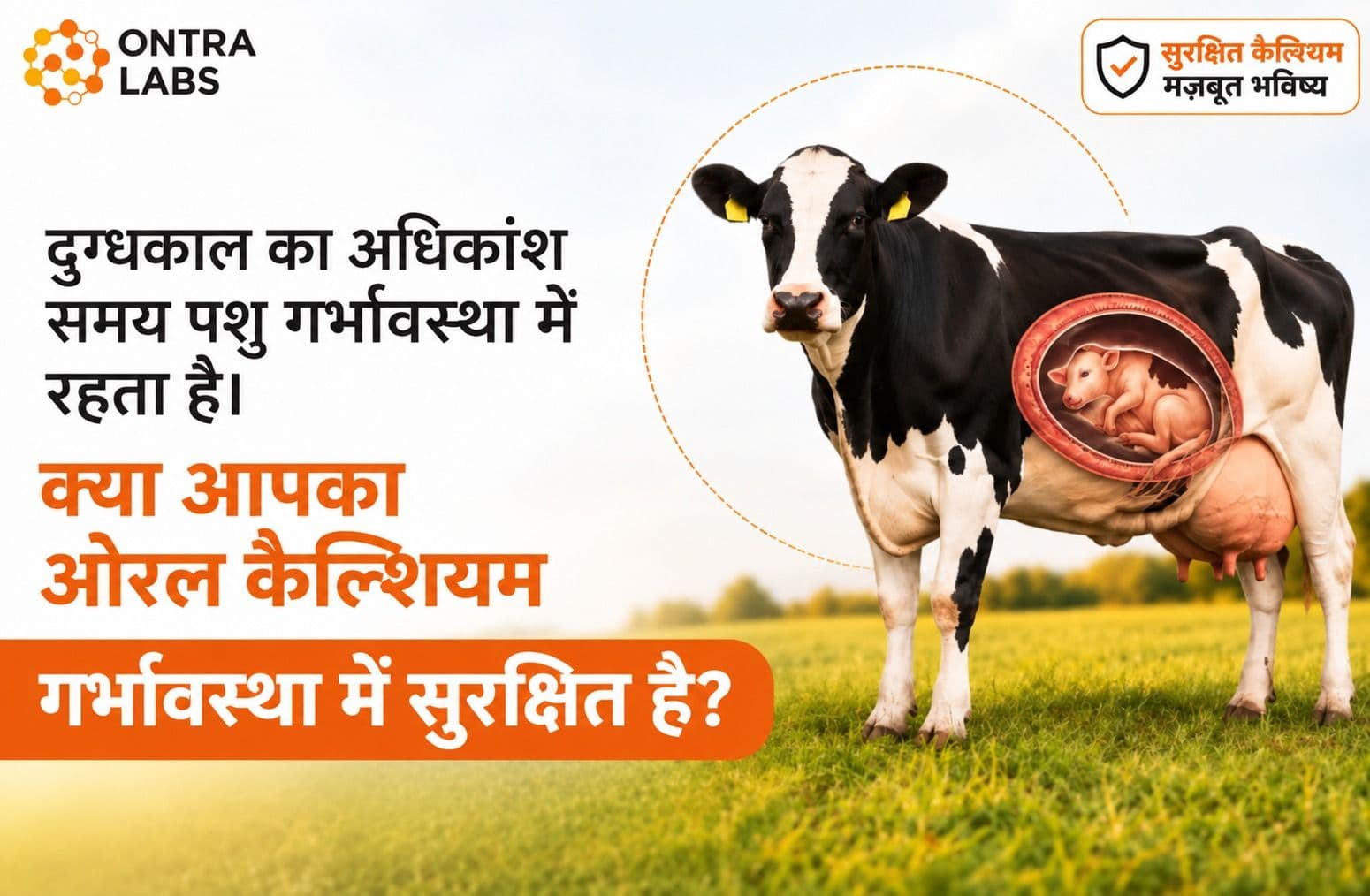
Milk fever doesn't just affect a day, it can disturb the entire lactation.
The takeaway is simple: invest attention in transition cows and the whole lactation benefits. Talk to your veterinarian about a transition protocol suited to your herd.