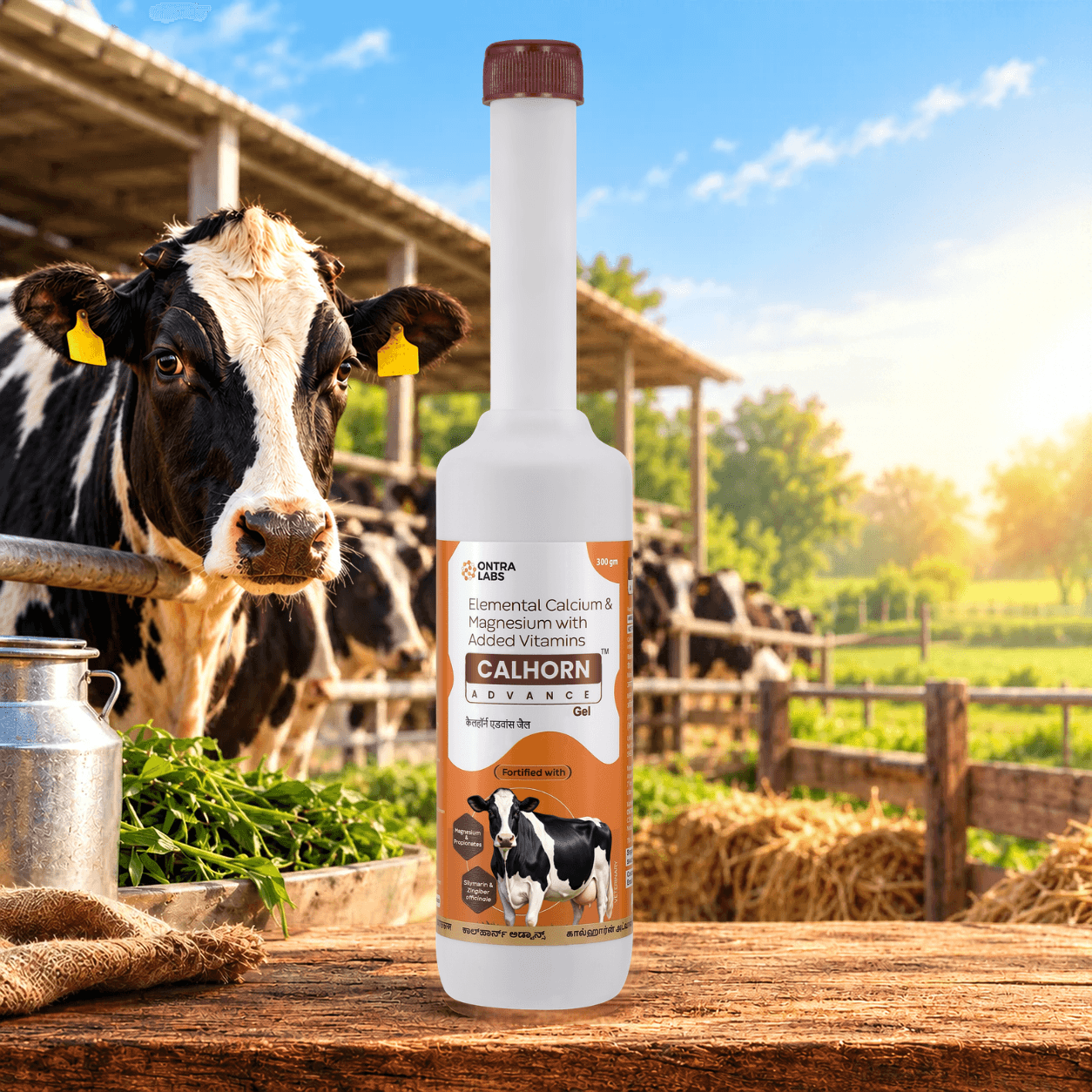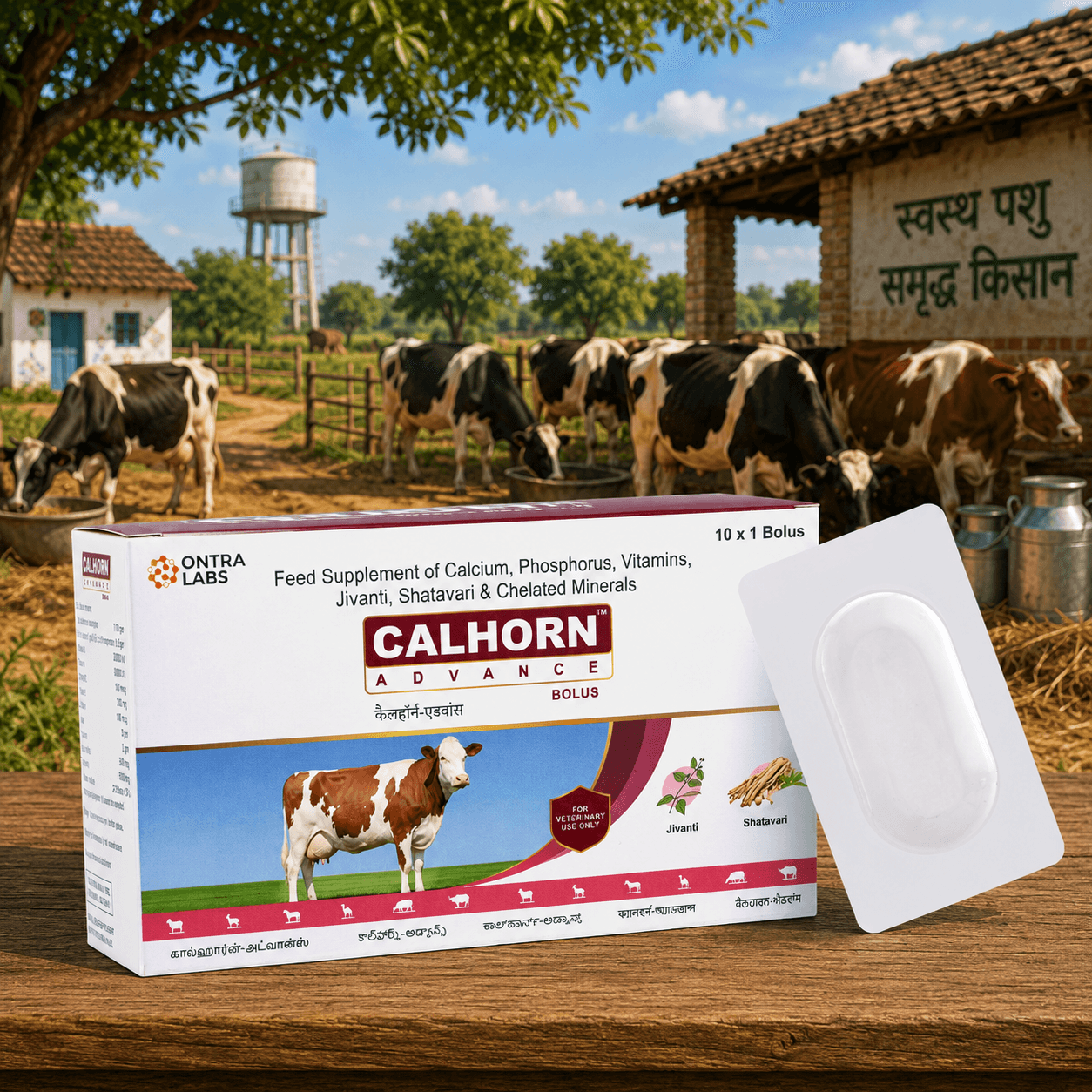

Most of a Dairy Cow's Lactation Overlaps with Pregnancy. Every veterinarian carefully considers pregnancy before prescribing an antibiotic, NSAID or hormonal treatment. We routinely ask whether a medicine is safe for the cow and the developing foetus. But when it comes to feed supplements like calcium liquids, gels, we often ask different questions.
- Does it improve milk production?
- Is it palatable?
- Is it cost-effective?
Rarely do we ask one equally important question: Is this supplement appropriate for a pregnant animal?
That question deserves attention because most of the lactation happens, when animal is already pregnant.
The Overlooked Reality
To maintain an optimum calving interval, dairy cows are generally artificially inseminated (AI) 60–90 days after calving. Following successful conception, pregnancy continues for approximately 280 days, while a standard lactation lasts around 305 days.
This means that nearly 215-245 days of lactation overlap with pregnancy.
In simple terms, almost three-fourths of the nutritional supplements administered during lactation are being given to pregnant animals.
This changes how we should evaluate nutritional products.
Pregnancy Is a Delicately Balanced Physiological State
Successful pregnancy in dairy cows depends on a carefully regulated hormonal environment. Progesterone plays the central role in maintaining pregnancy by keeping the uterus relaxed, supporting placental function and creating favourable conditions for fetal development. Throughout gestation, the cow's endocrine system carefully regulates hormones to support both the dam and the developing calf. Maintaining this natural hormonal balance is essential for a successful pregnancy. Because pregnancy depends on this finely coordinated hormonal balance, when selecting nutritional supplements for pregnant animals, the composition of the formulation deserves attention - not only for the nutrients it supplies, but also for the biological activity of every ingredient it contains.
Particular attention should be given to ingredients reported to possess hormone like (estrogenic) activity, as formulations intended for use during pregnancy should support nutrition without unnecessarily influencing the animal's endocrine environment.
Do All Nutritional Ingredients Behave the Same Way?
Not necessarily
Many nutritional ingredients simply provide minerals, vitamins or energy and have no direct hormonal activity.
However, some herbal ingredients used in veterinary calcium gels & liquids have been reported to contain phytoestrogens - naturally occurring plant compounds capable of exhibiting estrogen-like biological activity.
Depending on the plant source, concentration and level of exposure, these compounds may interact with estrogen receptors, and therefore can interfere with the pregnancy stability.
Although their biological effects can vary considerably, their presence highlights an important point: Ingredients included in nutritional supplements should not only be effective - they should also be carefully evaluated for use during pregnancy.
Looking Beyond the Intended Benefit
As veterinarians, throughout our veterinary education, we are extensively trained in animal physiology, pharmacology, pathology, medicine, surgery, reproduction and other subjects. However, the diverse biological activities of herbal ingredients used in veterinary supplements or medicines are less explored in veterinary curriculum.
As a result, many of us naturally associate herbs with their intended benefits - such as reducing stress, improving feed intake or supporting productivity - without always considering that some herbs may possess additional biological activities. Like synthetic molecules, herbs are biologically active compounds. Their effects are not always limited to the purpose for which they are added to a formulation.
When recommending products for pregnant animals, understanding the complete biological profile of every ingredient becomes just as important as understanding its intended nutritional benefit.
Pregnancy Safety Should Be Part of Nutritional Planning
The objective of nutritional supplementation during pregnancy is straightforward. Support the cow's increased nutritional requirements while respecting her normal physiology. Whether the goal is preventing, supporting transition, improving recovery or maintaining productivity, veterinarians should consider formulations that are appropriate for routine use throughout gestation. Choosing pregnancy - appropriate nutritional support is not simply about avoiding risk - it reflects good clinical practice and responsible herd management.
A Small Question with Big Implications
The next time you recommend a nutritional supplement for a lactating dairy cow, consider one additional question:
"Is this cow already pregnant?"
In most cases, the answer will be yes.
That makes one more question equally important:
"Is the supplement I am recommending appropriate for use throughout pregnancy?"
As our understanding of transition nutrition continues to evolve, pregnancy safety deserves to become an integral part of nutritional decision-making - not an afterthought.