
Inj.
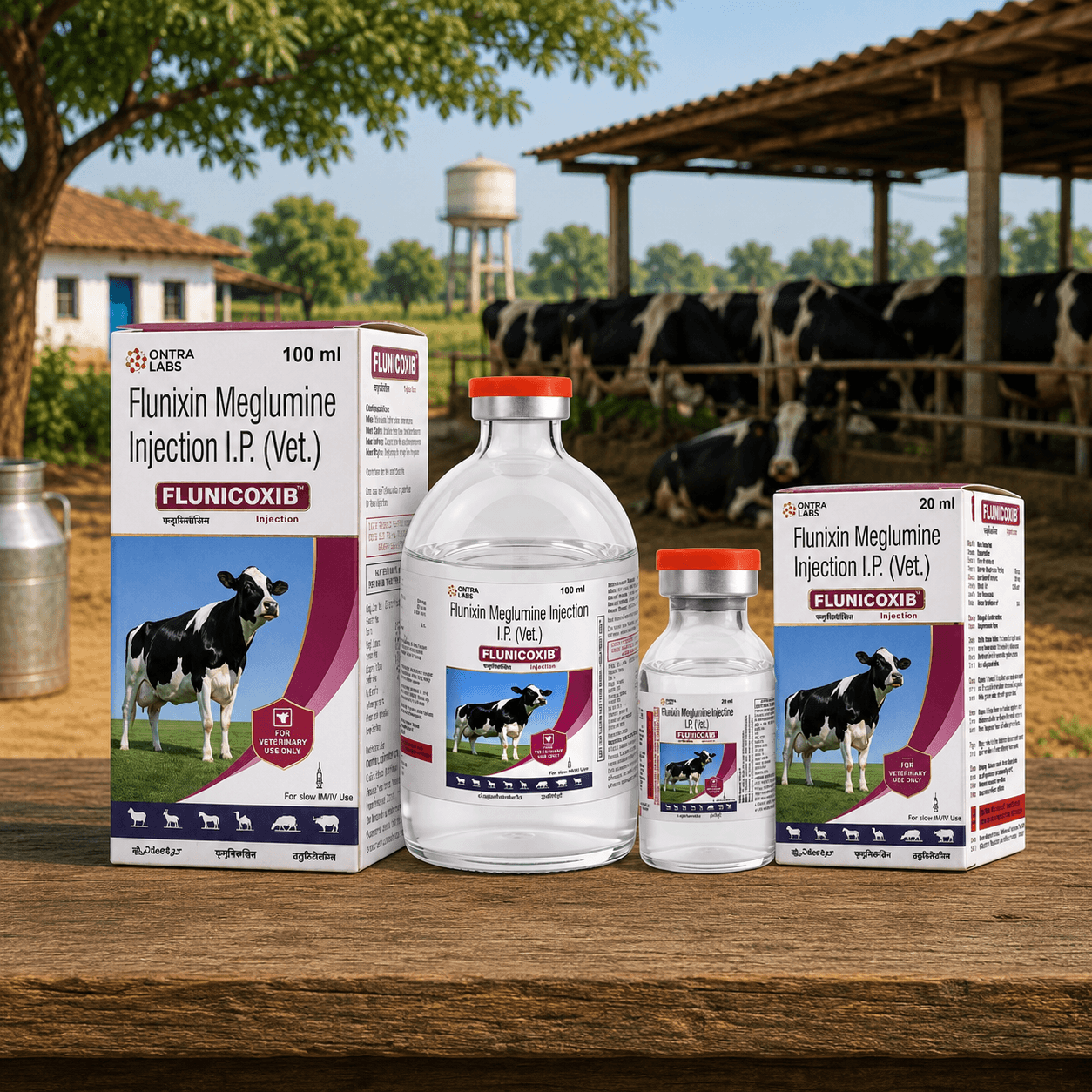
Flunicoxib Inj.
A trusted NSAID against pain, inflammation and fever in large animals.
- Packs
- 20 ml · 100 ml
- Species
- Cattle, Buffalo, Camel, Sheep, Goat, Horse
Composition
- Flunixine Meglumine
Indications
- Mastitis, reduces pain, fever and inflammation of the udder
- Uterine infections, reduces inflammation of the uterus
- Fever and endotoxemia
- Respiratory conditions, reduces fever and inflammatory response in lung tissue
- Musculo-skeletal and visceral pain (colic)
Dosage
Cattle, camel, sheep and goat: 1, 2 ml per 45 kg body weight by slow IV or IM, once daily for 3, 5 days. Horse: 1 ml per 45 kg body weight by slow IV, once daily for 3, 5 days. Or as advised by a registered veterinarian.
Frequently asked
- What is the role of NSAIDs in veterinary treatment?
- NSAIDs help control pain, fever, and inflammation by reducing the production of prostaglandins involved in these responses. They are commonly used as supportive therapy alongside treatment of the underlying disease.
- How does flunixin help control fever and inflammation?
- Flunixin inhibits cyclooxygenase (COX) enzymes, reducing the formation of prostaglandins that contribute to fever, pain, and inflammation. This helps provide symptomatic relief while the underlying condition is treated.
- Why is controlling inflammation important in diseased animals?
- Excessive inflammation can contribute to tissue damage, pain, fever, reduced feed intake, and delayed recovery. Controlling the inflammatory response can help improve animal comfort and support recovery while the primary disease is being managed.
- What is endotoxemia in cattle?
- Endotoxemia occurs when bacterial endotoxins, particularly lipopolysaccharides (LPS) from Gram-negative bacteria, enter the bloodstream and trigger a systemic inflammatory response. It can occur secondary to conditions such as severe mastitis, metritis, and other diseases.
- Why are NSAIDs used in endotoxemia?
- Endotoxins can trigger the release of inflammatory mediators, including prostaglandins, leading to fever, inflammation, and systemic disturbances. Flunixin helps control these prostaglandin-mediated effects and is used as supportive therapy in endotoxemia.