
Ontra Labs
Educational

Mastitis in Dairy Cattle

Mastitis is inflammation of the udder, usually caused by infection. It is one of the most common and costly conditions in dairy herds, affecting milk quality, yield and cow comfort.

Reviewed by the Ontra Animal Health team

Clinical and subclinical mastitis

Clinical mastitis shows visible changes — clots or flakes in the milk, a swollen, hot or painful quarter, and sometimes a sick cow. Subclinical mastitis has no visible signs but raises the somatic cell count and quietly lowers yield, so it often goes unnoticed without testing.

Common risk factors

Milking hygiene, teat condition, wet or dirty housing, milking-machine function and stage of lactation all influence risk. Bacteria can enter the teat canal between or during milkings when conditions allow.

Prevention and udder health

Clean, dry housing, a consistent milking routine, good teat care and prompt detection support udder health. Where treatment is needed, antibiotic choice and use must be directed by a registered veterinarian to protect the cow and milk safety.
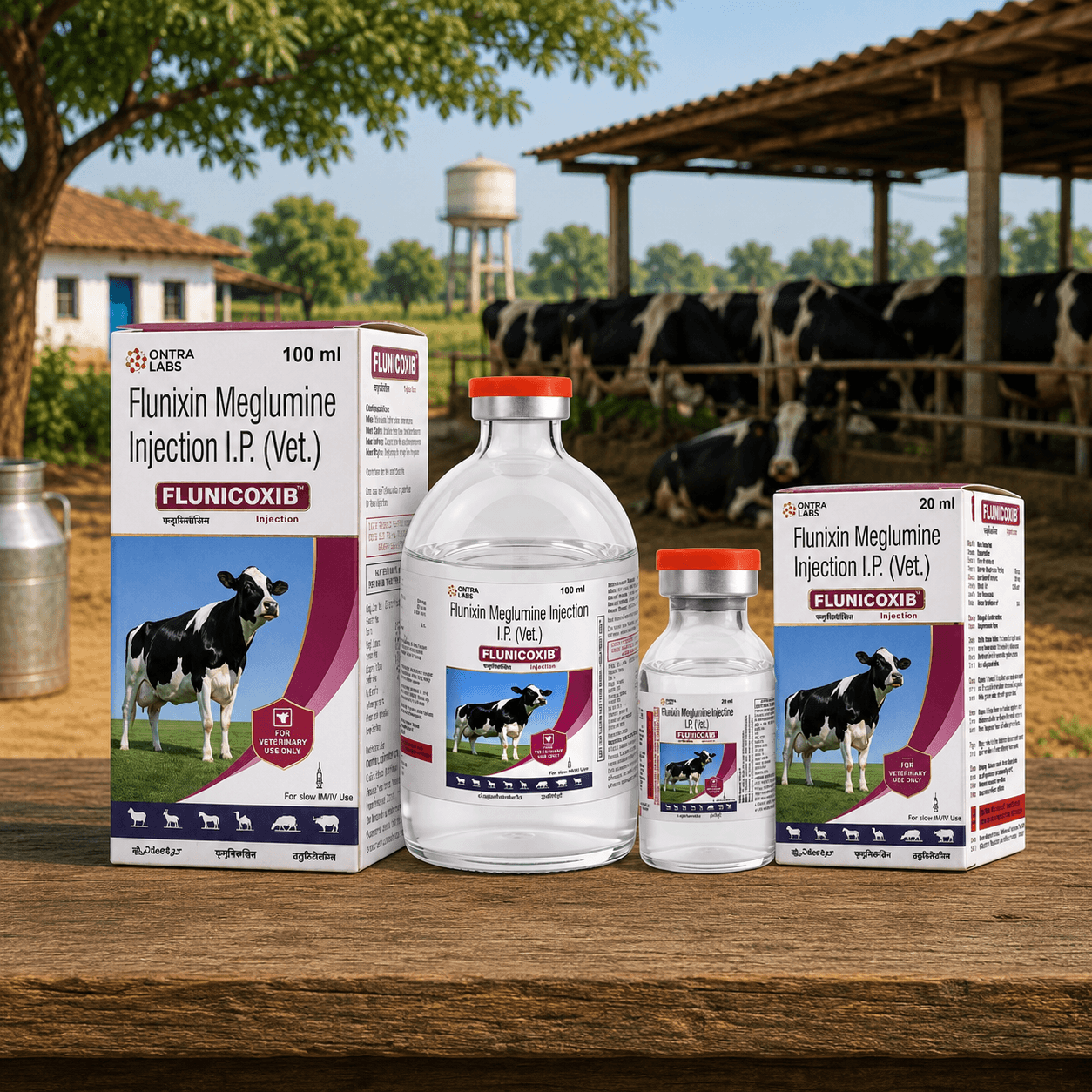
Ontra products for this challenge
Frequently asked
How do I know if a cow has mastitis?
Clinical cases show abnormal milk or a swollen, painful udder; subclinical cases may only show as a higher somatic cell count on testing. A veterinarian can confirm the cause and advise treatment.
Can mastitis be prevented?
Good milking hygiene, clean dry housing, teat care and early detection all reduce risk. Your veterinarian can help build a herd udder-health plan.

This information is educational and is not a substitute for professional advice. Always consult a registered veterinarian for diagnosis and treatment.