
Ontra Labs
Educational

Lameness & Hoof Health in Dairy Cattle

Lameness — difficulty or reluctance to walk, often from hoof or leg disorders — is a major welfare and productivity issue, reducing feed intake, fertility and milk yield.

Reviewed by the Ontra Animal Health team

Why lameness matters

A lame cow is a cow in pain. She spends less time at the feed and water, loses condition, and can fall behind on fertility and yield. Spotting and acting on lameness early limits the damage.

Common causes

Hoof lesions such as sole ulcers and white line disease, digital dermatitis, and overgrown or poorly balanced hooves are frequent culprits. Wet underfoot conditions, hard or slippery flooring and nutrition all play a part.

Prevention and comfort

Regular hoof trimming and inspection, clean and dry footing, comfortable lying areas and prompt attention to early cases support hoof health. Pain relief, when appropriate, should be used under veterinary direction.
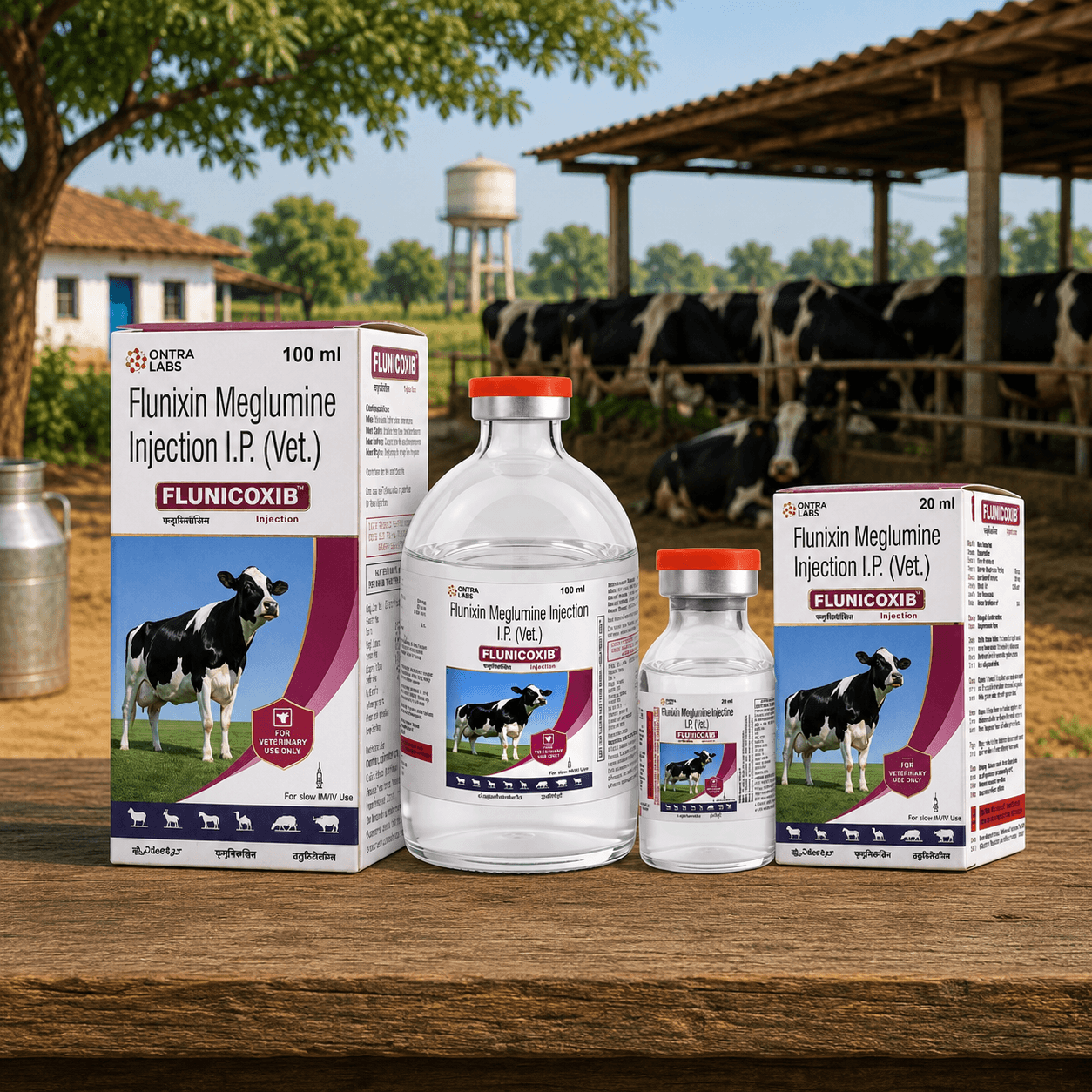
Ontra products for this challenge
Frequently asked
What are the early signs of lameness in cows?
Look for an uneven gait, an arched back when standing or walking, shortened stride, or reluctance to move. Early veterinary or hoof-care attention improves recovery.
How can lameness be prevented?
Regular hoof care, clean dry footing, comfortable housing and good nutrition all help. A veterinarian or hoof-care specialist can advise a herd plan.

This information is educational and is not a substitute for professional advice. Always consult a registered veterinarian for diagnosis and treatment.