
Ontra Labs
Educational

Milk Fever in Dairy Cattle

Milk fever (hypocalcaemia) is a metabolic condition seen around calving, when a cow's demand for calcium rises sharply for milk production and blood calcium can fall faster than the body replaces it.

Reviewed by the Ontra Animal Health team

Why transition cows are vulnerable

The days just before and after calving — the transition period — place heavy demand on calcium reserves. High-yielding and older cows are especially at risk as colostrum and early milk draw large amounts of calcium.

Signs and risk factors

Early signs can include reduced appetite, unsteadiness and cold extremities; affected cows may become unable to rise. Risk factors include previous milk fever, higher parity, and unbalanced pre-calving mineral nutrition.

Prevention and relapse risk

Veterinary guidance focuses on transition-period management and calcium support around calving. Even after initial treatment, cows can relapse, so continued support and monitoring matter.
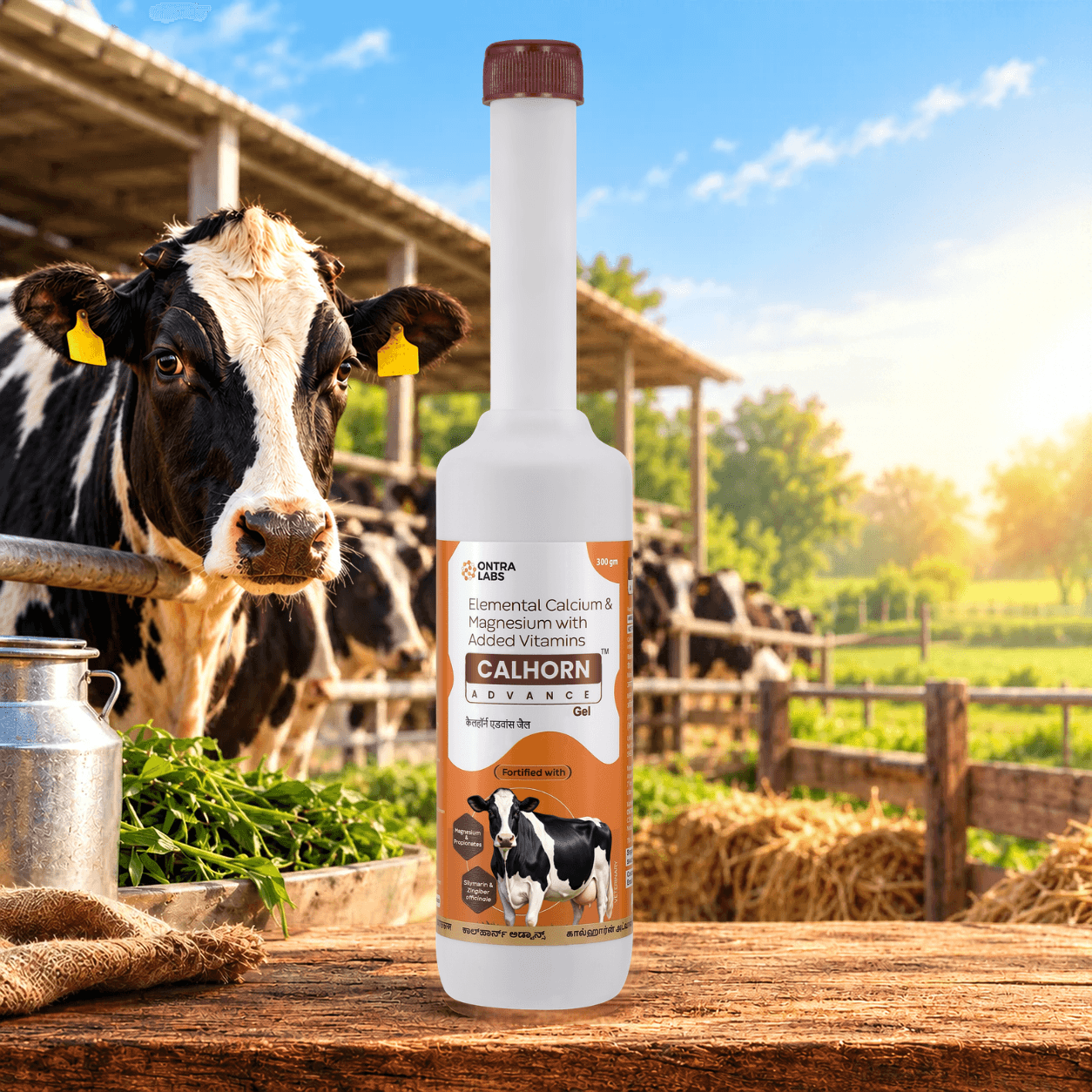
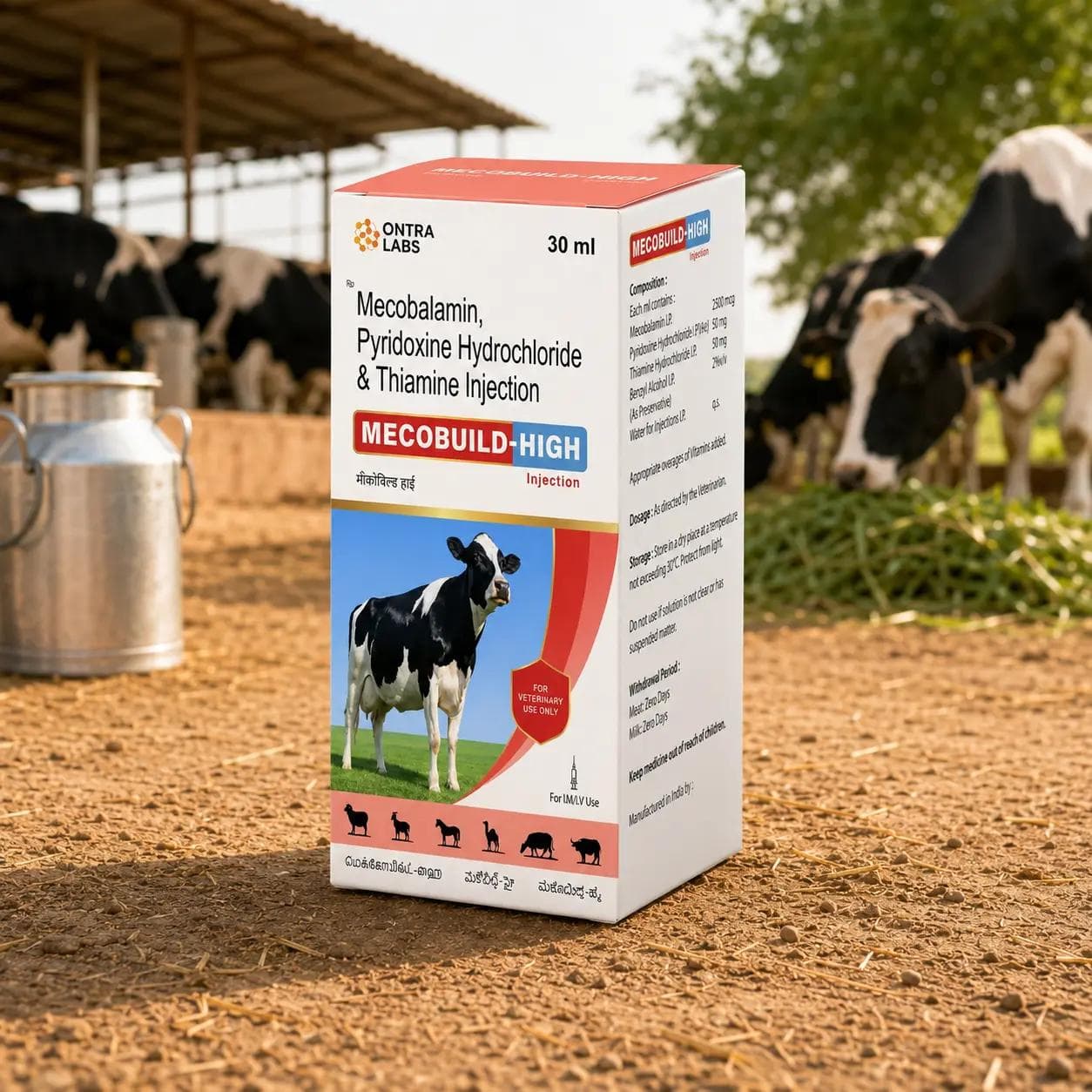
Ontra products for this challenge
Frequently asked
When does milk fever usually occur?
It is most commonly seen around calving, particularly in the period shortly after. Your veterinarian can advise on timing and prevention for your herd.
Can milk fever come back after treatment?
Yes — relapse is possible. Continued calcium support and monitoring under veterinary guidance help manage this risk.

This information is educational and is not a substitute for professional advice. Always consult a registered veterinarian for diagnosis and treatment.