
Ontra Labs
Educational

Internal Parasites & Worms in Cattle

Gastrointestinal worms and liver fluke are common internal parasites that can quietly reduce growth, milk yield and body condition — often before obvious signs appear.

Reviewed by the Ontra Animal Health team

How parasites affect productivity

Internal parasites compete for nutrition and damage the gut or liver, lowering feed efficiency, growth and yield. Young and growing stock are especially affected, and losses can occur even without visible illness.

Signs and risk periods

Poor body condition, a rough coat, reduced growth and scouring can point to a parasite burden. Risk rises with grazing and in wet seasons when pasture contamination is higher.

Strategic, responsible deworming

Deworming works best when planned around season, age and grazing, using the right product at the right time under veterinary guidance. Avoiding unnecessary or blanket treatment helps slow the development of resistance.
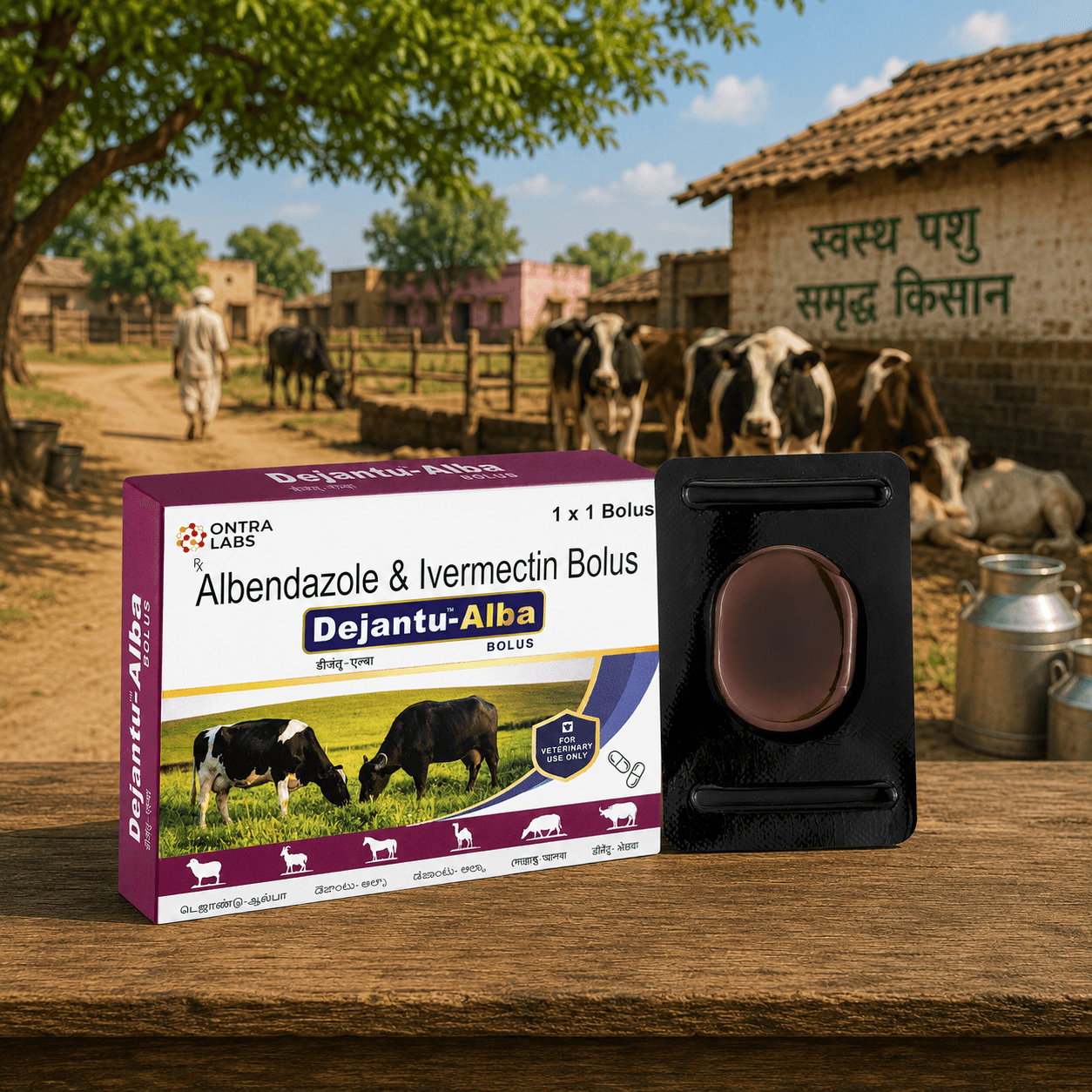
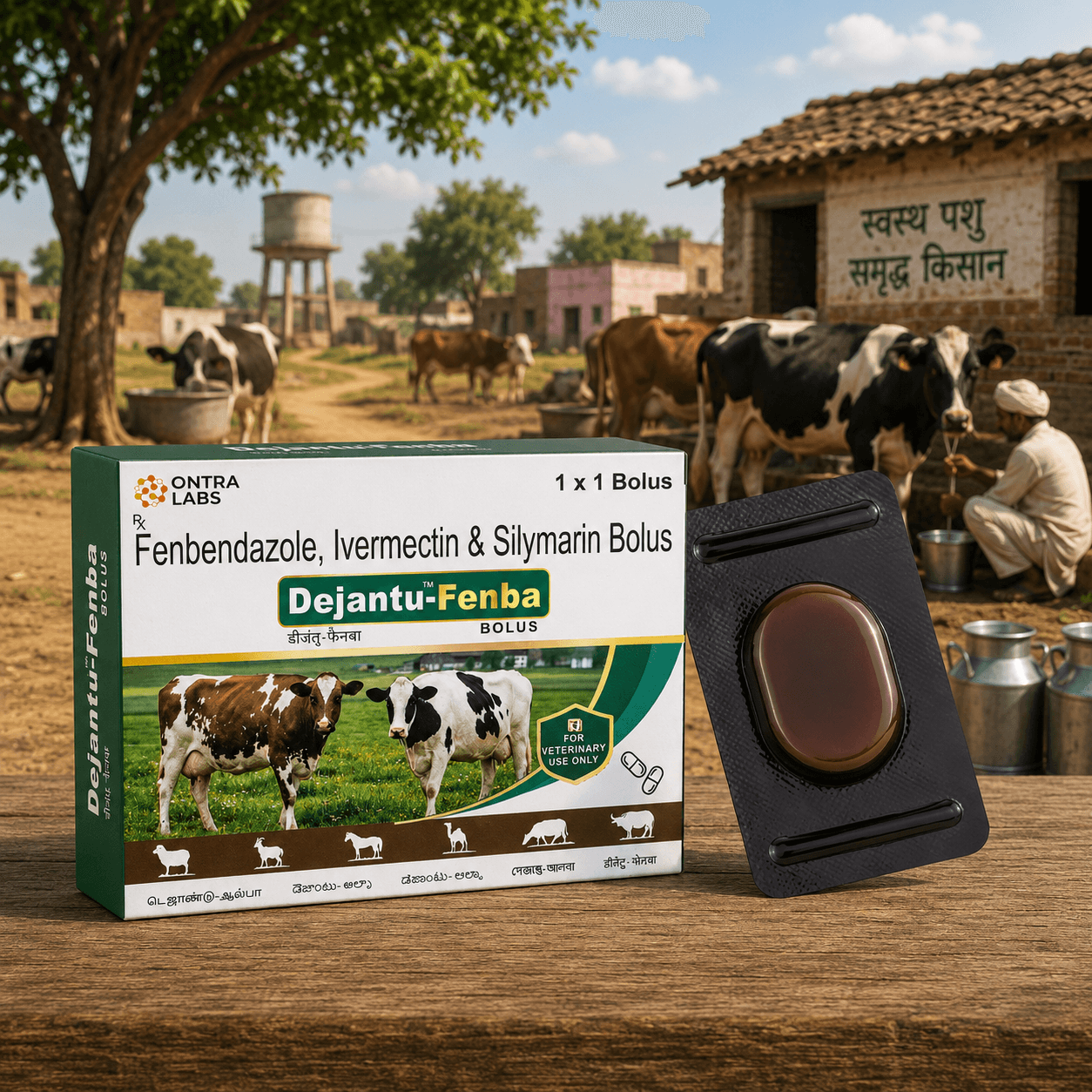
Ontra products for this challenge
Frequently asked
How often should cattle be dewormed?
There is no single fixed schedule — it depends on age, season, grazing and parasite risk. A veterinarian can design a plan suited to your herd rather than treating blindly.
Can worms reduce milk yield?
Yes — internal parasites can lower intake and productivity, sometimes without obvious signs. Strategic deworming under veterinary guidance helps protect yield.

This information is educational and is not a substitute for professional advice. Always consult a registered veterinarian for diagnosis and treatment.