
Ontra Labs
Educational

Heat Stress in Dairy Cattle

When temperature and humidity rise, cows struggle to lose body heat. Heat stress reduces feed intake, milk yield and fertility, and affects cow comfort and health.

Reviewed by the Ontra Animal Health team

How heat stress affects cows

To cope with heat, cows eat less, pant and drool, and stand for longer. Lower intake means lower milk yield, and prolonged heat stress can reduce fertility and increase the risk of other health problems.

Recognising the signs

Watch for faster breathing or open-mouth panting, drooling, crowding around shade and water, reduced cud-chewing and intake, and a drop in milk. Signs depend on both temperature and humidity, not temperature alone.

Reducing heat load

Shade, good ventilation and fans, easy access to clean cool water, cooling at the right times and adjusted feeding schedules all help. Supporting recovery after periods of heat stress is best done under veterinary guidance.
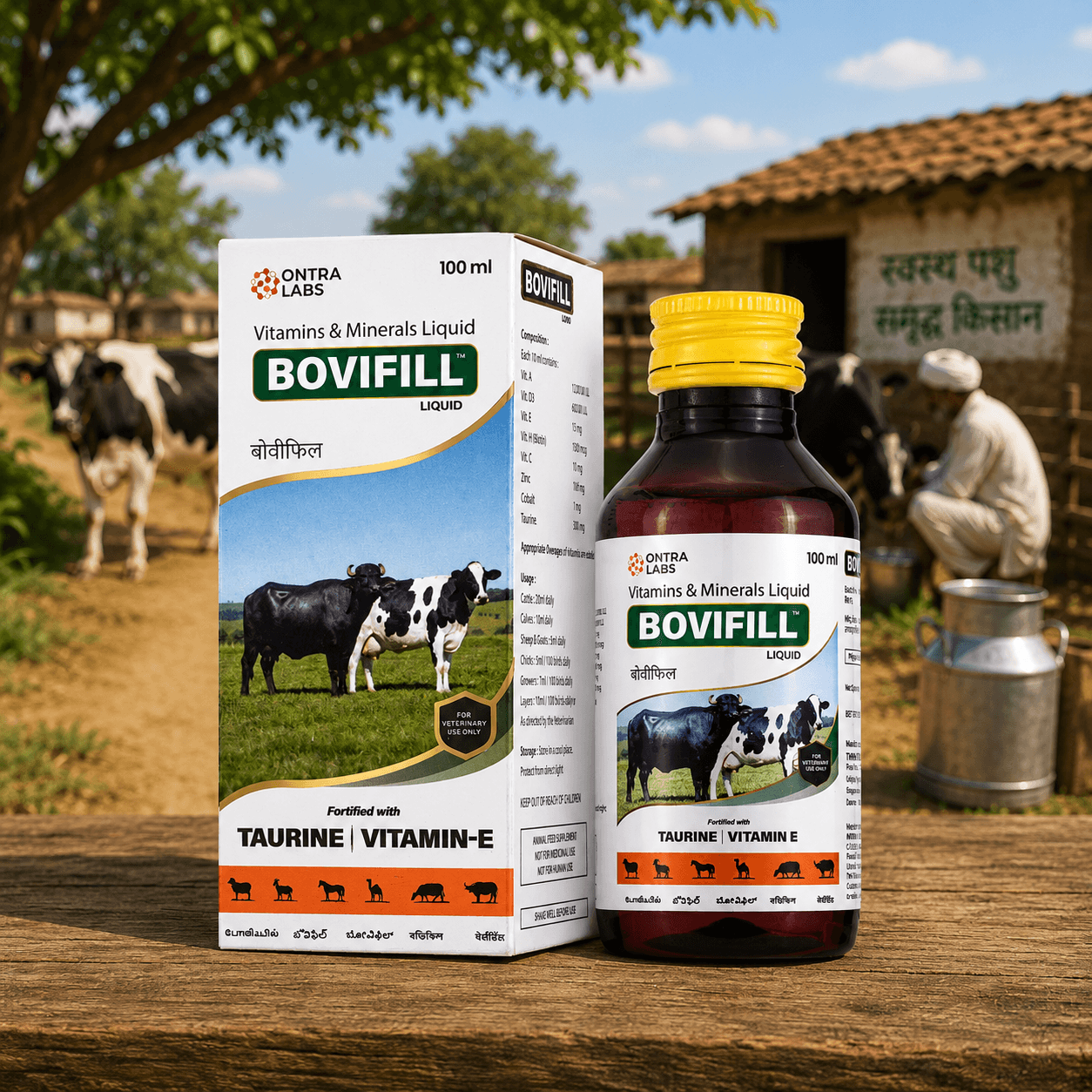
Ontra products for this challenge
Frequently asked
At what temperature do cows feel heat stress?
It depends on humidity as well as temperature — cows can feel heat stress at moderate temperatures when humidity is high. A veterinarian or advisor can assess your conditions.
How do I help cows in hot weather?
Provide shade, ventilation, plenty of clean water and cooling, and watch closely for signs of distress. Severe cases need veterinary attention.

This information is educational and is not a substitute for professional advice. Always consult a registered veterinarian for diagnosis and treatment.